The Lexus IS300, a sport sedan with a 2JZ engine, offers enthusiasts a chance to enhance driving experience by swapping its automatic transmission for a manual setup.
Overview of the IS300 and Its Transmission Options
The Lexus IS300, equipped with a 2JZ engine, originally comes with an automatic transmission. However, enthusiasts often opt for a manual swap to enhance performance and driver engagement. The IS300’s platform supports both W55 and W58 manual transmissions, offering improved control and a more connected driving experience. This swap is particularly popular among tuners and drifters, as it complements the car’s sporty nature. The process involves replacing the automatic setup with a manual gearbox, requiring specific mechanical and wiring adjustments to ensure compatibility and functionality.
Why Consider a Manual Transmission Swap?
A manual transmission swap enhances the IS300’s driving experience by offering better control and engagement. It improves acceleration and responsiveness, making it ideal for enthusiasts seeking a sportier feel. Additionally, a manual setup reduces reliance on the automatic system, which can be less efficient and less precise. This swap is particularly appealing to tuners and drifters, as it complements the car’s performance capabilities. The ability to manually shift gears also provides a more connected and immersive driving experience, aligning with the IS300’s sporty design and engine potential.
Popular Transmission Choices for the Swap (W55, W58)
The W55 and W58 are the most popular manual transmissions for the IS300 swap. The W55 is a lightweight, compact option, ideal for stock engines, offering smooth shifting and reliability. The W58, while heavier, is more robust, making it suitable for higher horsepower builds. Both transmissions are widely available as OEM or aftermarket options, with strong community support and proven reliability. They are favored for their compatibility with the IS300’s 2JZ engine, ensuring a seamless integration and enhanced driving performance.
Parts and Tools Needed for the Swap
The IS300 manual swap requires a W55 or W58 transmission, clutch kit, flywheel, and shifter assembly. Essential tools include a transmission jack and T56 or T56 Magnum adapters.
Transmission Options: W55 vs. W58
The W55 and W58 are popular choices for the IS300 manual swap. The W55 is lighter and more affordable, making it ideal for budget-conscious enthusiasts. The W58, while heavier, offers greater durability and is better suited for high-performance applications. Both transmissions are compatible with the 2JZ engine, but the W58 is fully mechanical, providing a more direct driving experience. Choosing between them depends on your performance goals and budget, as each offers unique advantages for the swap.
Necessary Components for the Swap
Key components for the IS300 manual swap include a used or refurbished W55 or W58 transmission, a clutch kit, flywheel, and a manual transmission mounts. The shifter assembly, clutch master and slave cylinders, and hydraulic lines are also essential. Additionally, an ECU reflash is required to adapt the car’s computer to manual operation. Brake pedals and throttle adjustments may be needed for compatibility. These parts ensure a smooth transition from automatic to manual, enhancing both performance and driver engagement.
Where to Source Parts: OEM vs. Aftermarket
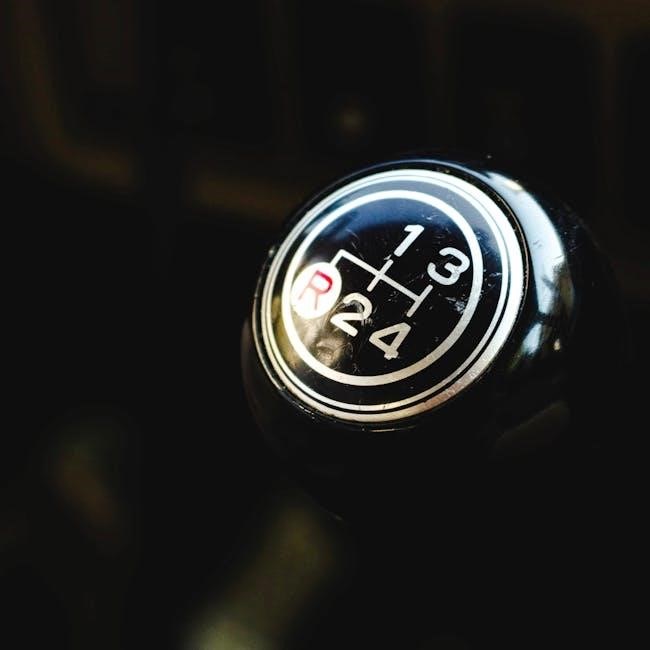
OEM parts, such as the W55 or W58 transmission, clutch kits, and mounts, can be sourced from Toyota or Lexus dealerships, ensuring reliability and compatibility. Aftermarket options, like performance clutches or shifters, are available from specialty shops or online retailers, offering cost savings and customization. For a balance, enthusiasts often mix OEM and aftermarket components, prioritizing critical systems like the transmission and ECU with OEM parts for reliability, while opting for aftermarket accessories for enhanced performance and style.
Tools Required for the Job
Performing an IS300 manual transmission swap requires a variety of tools, including a transmission jack, socket set, torque wrench, and wrenches for bolts and nuts. Specialized tools like a Lexus ECU reflash tool may be needed for wiring adjustments. A drain pan and fluid pump are essential for handling transmission fluid. Additionally, a repair manual or online guide can provide step-by-step instructions. Ensure all tools are organized and accessible to streamline the process and avoid delays during the swap.
Step-by-Step Guide to the Manual Transmission Swap
This guide provides a detailed, sequential approach to swapping the IS300’s automatic transmission with a manual setup, covering preparation, removal, installation, and final adjustments.
Preparation and Initial Steps
Begin by researching the swap process thoroughly, ensuring you understand the complexity and requirements. Gather all necessary tools and parts, including the manual transmission, clutch kit, and adapters. Source components from reputable suppliers, whether OEM or aftermarket. Prepare a clean, well-lit workspace with a lift or jack stands for safe access. Disconnect the battery to prevent electrical issues. Plan for wiring modifications and potential ECU adjustments. Budget at least $3,000 for a stock W55 setup. Allow ample time for the project, as it requires mechanical expertise and patience.
Removing the Automatic Transmission
Start by draining the transmission fluid and disconnecting the battery. Remove the electrical connectors and wiring harness from the automatic transmission. Take out the mounting brackets and crossmember for access. Use a lift or jack stands to support the vehicle securely. Carefully disconnect the torque converter and transmission lines. Remove the transmission mounts and any additional components blocking access. Finally, use a transmission jack to safely extract the automatic transmission from the vehicle. This step requires precision and mechanical expertise to avoid damage to surrounding components.
Installing the Manual Transmission
Once the automatic transmission is removed, carefully lower the manual transmission into place using a transmission jack. Ensure the transmission is properly aligned with the engine and crossmember. Bolt the transmission to the engine, tightening all mounts securely. Reconnect the driveshaft, clutch slave cylinder, and wiring harness. Double-check all connections for tightness and proper alignment. Finally, refill the transmission fluid and test the clutch pedal for proper engagement. This step requires precision to ensure smooth operation and avoid future mechanical issues.
Post-Installation Checks and Adjustments
After installing the manual transmission, perform a series of checks to ensure proper function. Refill the transmission fluid to the recommended level and test the clutch pedal for smooth engagement. Check all wiring connections, especially the reverse light switch and clutch switch, to ensure they are securely attached. Inspect for any leaks around the transmission seals and mounts. Test drive the vehicle in a controlled environment to verify smooth gear shifts and proper acceleration. Address any issues promptly to avoid long-term damage. A professional inspection is recommended to confirm everything is correctly installed.
Cost Considerations
The IS300 manual transmission swap can range from $3,000 to $6,000, depending on the transmission choice, parts condition, and labor costs. OEM parts are pricier but more reliable.
Estimated Total Cost for the Swap
The IS300 manual transmission swap typically costs between $3,000 and $6,000, depending on the transmission model and condition. A stock W55 manual transmission can start at $3,000, while a W58 may be slightly more expensive. Additional costs include necessary components like the clutch, flywheel, and adapter plate, which can add $1,000 to $2,000. Labor costs vary, with DIY projects saving around $1,500 to $2,000 compared to professional installation. OEM parts are generally more expensive but offer better reliability and compatibility.
Factors Affecting the Cost
Several factors influence the total cost of an IS300 manual transmission swap. The choice between a W55 or W58 transmission impacts the price, with the W58 typically costing more due to its durability. Additionally, sourcing parts as OEM or aftermarket affects expenses, as OEM parts are generally pricier but more reliable. Labor costs vary depending on whether the swap is done DIY or professionally. The condition of the transmission, whether new, used, or refurbished, also plays a significant role in determining the final cost of the swap.
Ways to Save Money on the Swap
To reduce costs, consider sourcing used or refurbished transmissions, as they are often more affordable than new units. Purchasing parts in bundles or from aftermarket suppliers can also lower expenses. DIY installation is a significant cost-saver, avoiding labor fees. Additionally, shopping during sales or negotiating with sellers can help reduce overall spending. Prioritizing essential components and delaying upgrades can further minimize initial outlay, making the swap more budget-friendly while still achieving the desired performance and driving experience.

Common Challenges and Solutions
Common issues include compatibility problems and wiring complexities. Solutions involve using correct adapters, consulting forums, and ensuring all components are compatible with the manual setup.
Common Issues Encountered During the Swap
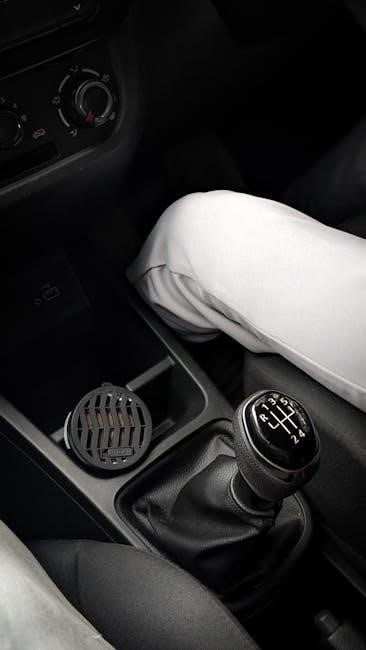
Common challenges include wiring compatibility between the automatic and manual transmissions, as well as fitting issues with the new transmission. The W55 and W58 transmissions require specific adapters to mate with the 2JZ engine, and incorrect installation can lead to drivetrain misalignment. Additionally, sourcing rare or discontinued parts can delay the process. Ensuring proper alignment and fitment of the transmission with the chassis and drivetrain is critical to avoid mechanical failure. Research and careful planning are essential to overcome these hurdles.
Troubleshooting Tips
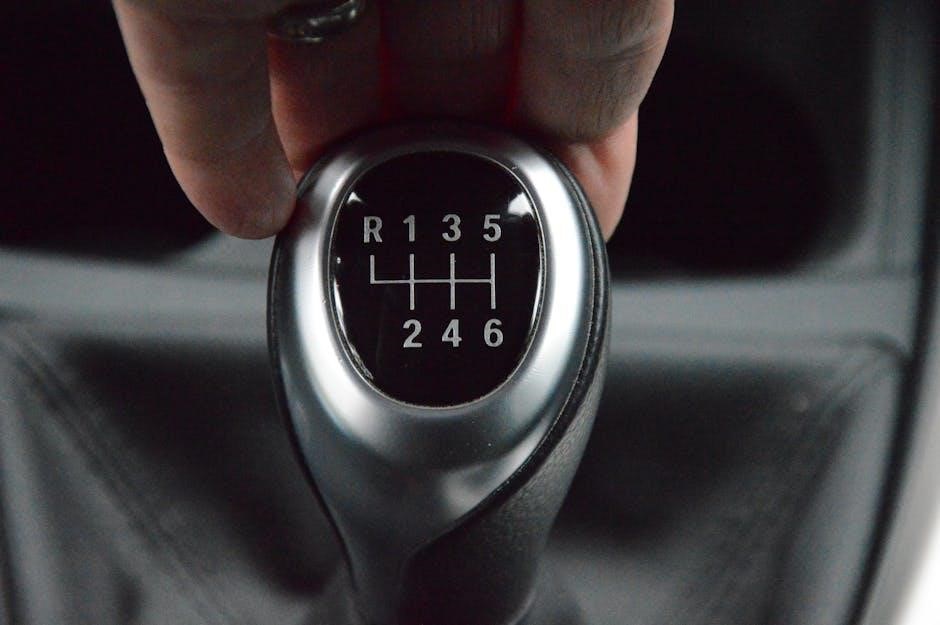
When encountering issues during the swap, start by verifying wiring connections and ensuring the transmission is properly aligned with the engine. Check for any damage to the wiring harness or sensors, as these can cause electrical malfunctions. If the transmission doesn’t engage smoothly, inspect the clutch and pressure plate installation. Additionally, ensure the drivetrain components are correctly aligned to prevent vibration or noise. Consulting online forums or professional mechanics can provide tailored solutions for specific problems, helping to resolve issues efficiently and safely.
Wiring and Electrical Considerations

When performing an IS300 manual transmission swap, wiring and electrical systems require careful attention. The automatic transmission relies on specific sensors and wiring, which must be adapted or replaced for manual operation. Ensure the wiring harness is properly connected to the new transmission and clutch components. Sensors like the clutch position sensor and gear position sensor may need recalibration or replacement. Additionally, the ECU may require reprogramming to recognize the manual transmission setup. Always use OEM-compatible wiring components to avoid electrical issues and ensure smooth operation.
Exterior and Interior Modifications
Exterior modifications may include body kits or aerodynamic tweaks, while interior changes focus on adding a manual shifter, pedals, and updating trim to match the new setup.
Exterior Changes to Accommodate the Swap
Exterior modifications for the IS300 manual swap are minimal but functional. A manual shifter and pedal assembly are installed, while exterior aesthetics remain largely unchanged. Some enthusiasts opt for lightweight wheels or aerodynamic body kits to enhance performance and style. Cooling systems may be upgraded to handle increased engine demand. Suspension adjustments are common to improve handling. These changes ensure the car remains visually appealing while supporting the manual transmission’s capabilities. The focus is on balancing performance and aesthetics without altering the car’s original design intent.
Interior Adjustments for Manual Transmission
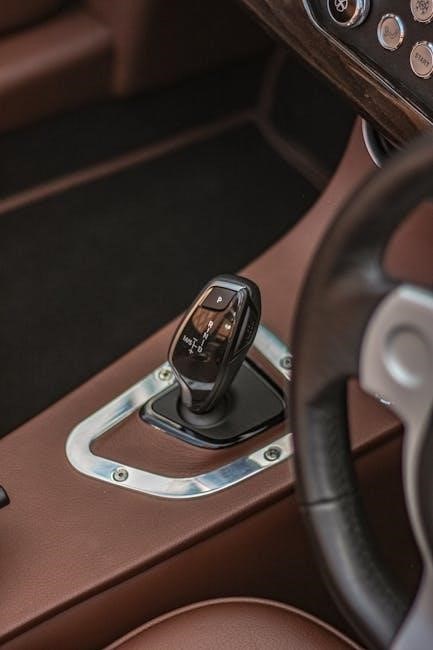
Interior modifications for the IS300 manual swap focus on integrating the manual shifter and clutch pedal. The center console is typically modified to accommodate the shifter, while the automatic gear selector is removed. A manual brake pedal assembly is installed, replacing the automatic configuration. Some enthusiasts reuse the original interior components, such as seats and trim, to maintain a stock appearance. Optional upgrades include shorter shifters or weighted shift knobs for enhanced driver engagement. These changes ensure a seamless transition to manual operation while preserving the car’s interior aesthetics.
Maintenance and Upkeep Post-Swap

Regular fluid changes, clutch inspections, and drivetrain checks are essential. Transmission fluid should be replaced every 30,000 miles. Inspect the clutch for wear and adjust as needed. Ensure proper alignment of the drivetrain and monitor for any leaks or unusual noises. Upgrades like lightweight flywheels can enhance performance but require careful installation and adjustment to maintain reliability and smooth operation.
Regular Maintenance Requirements
Post-swap maintenance involves regular transmission fluid changes every 30,000 miles. Inspect the clutch for wear and adjust as needed. Check the drivetrain alignment and monitor for leaks or unusual noises. Replace the transmission mounts if necessary to prevent vibration. Ensure proper gear engagement and adjust the clutch pedal free play. Upgrades like lightweight flywheels can improve performance but require precise installation. Regular inspections of the shift linkage and bushings are crucial for smooth operation. Maintain the vehicle’s overall health to ensure reliability and optimal performance of the manual transmission setup.
Upgrades to Enhance Performance
After the swap, consider upgrades like a lightweight flywheel for reduced rotational inertia and quicker throttle response. A performance clutch kit can improve grip and durability under aggressive driving. Short-throw shifters reduce shift travel, enhancing precision and speed. Upgraded axles and a limited-slip differential (LSD) can improve traction and durability. Coilovers or stiffer suspension can complement the manual setup for better handling. These upgrades not only enhance performance but also refine the driving experience, making the IS300 more engaging and responsive on the road or track.
Community and Resources
The IS300 manual swap community is vibrant, with forums, YouTube channels, and social media groups sharing detailed guides, tutorials, and personal experiences. Enthusiasts often collaborate, offering support and inspiration for those undertaking the swap. Specialized communities like Drift Motion and Lexus enthusiast forums provide valuable resources, making the process more accessible and enjoyable for DIYers and professionals alike.
Online Forums and Communities
Online forums and communities are invaluable resources for IS300 manual swap projects. Platforms like Drift Motion, LexusEnthusiast, and Reddit’s r/LexusIS300 offer detailed guides, troubleshooting tips, and personal experiences. These communities provide a space for enthusiasts to share knowledge, ask questions, and showcase their progress. Many members have completed successful swaps and are eager to help others. Additionally, specialized Facebook groups and YouTube channels dedicated to Lexus modifications often feature step-by-step tutorials and inspiration for those embarking on the swap. These resources foster a collaborative environment, making the process less daunting for newcomers and experienced DIYers alike.
Recommended Tutorials and Guides
Several detailed guides and tutorials are available to help with the IS300 manual swap. Websites like Drift Motion and LexusEnthusiast offer comprehensive step-by-step instructions. YouTube channels, such as those featuring Guillermos IS300 W58 swap, provide visual walkthroughs. Additionally, forums like Reddit’s r/LexusIS300 share personal experiences and troubleshooting tips. These resources cover everything from transmission removal to wiring adjustments, ensuring enthusiasts have a clear roadmap for a successful swap. They also highlight common pitfalls and solutions, making the process more manageable for DIYers.
Conclusion
The IS300 manual swap offers a rewarding driving experience, combining improved control with cost-effective modifications. With proper planning and community support, enthusiasts can successfully achieve this upgrade.
Final Thoughts on the IS300 Manual Swap
The IS300 manual swap is a rewarding project for enthusiasts, offering enhanced driving engagement and control. While it requires significant time and effort, the satisfaction of achieving a manual setup is unparalleled. The W55 and W58 transmissions are popular choices, with the W58 being more durable for high-performance applications. Proper planning, sourcing OEM or aftermarket parts, and community support are key to success. The swap not only improves performance but also connects drivers to the car’s mechanics, making it a worthwhile endeavor for those passionate about driving dynamics and customization.
Future of Manual Transmissions in Lexus Vehicles
Lexus is increasingly focusing on hybrid and electric powertrains, potentially shifting away from manual transmissions in future models. However, the brand continues to explore innovative solutions, such as the H-pattern gearbox in the UX300e prototype, indicating a commitment to driver engagement. While regulatory challenges exist, Lexus aims to balance electrification with enthusiast appeal. The RZ’s Interactive Manual Drive feature highlights this effort, blending automation with manual-like control. Enthusiasts may still find opportunities for manual swaps in legacy models like the IS300, ensuring a connection to driving purism amidst technological advancements.