William Eggleston’s Guide, published in 1976, represents a pivotal moment; it was the first solo exhibition of color photography at MoMA, forever altering perceptions․
Historical Significance of the Work
William Eggleston’s Guide holds immense historical weight, fundamentally reshaping the landscape of photography․ Prior to its 1976 release, color photography was largely dismissed as a legitimate art form, relegated to commercial applications or amateur snapshots․ This publication, coinciding with the groundbreaking MoMA exhibition, challenged those preconceptions․
It marked the beginning of color being perceived as artistically respectable, initiating a “stream-of-consciousness” approach․ The work’s impact is undeniable, establishing a new benchmark and influencing generations of photographers to explore the artistic potential inherent in everyday color imagery, forever changing photographic history․
The 1976 MoMA Exhibition
The 1976 exhibition at The Museum of Modern Art in New York was truly revolutionary․ William Eggleston’s Guide became the first one-man show dedicated solely to color photographs, a watershed moment for the medium․ This bold decision by MoMA signaled a significant shift in the art world’s acceptance of color photography as a serious artistic pursuit․
The exhibition, and its accompanying catalog, weren’t merely a display of images; they were a declaration․ It irrevocably altered perceptions, establishing color photography’s place within the canon of fine art and inspiring countless artists․
The Content of “William Eggleston’s Guide”
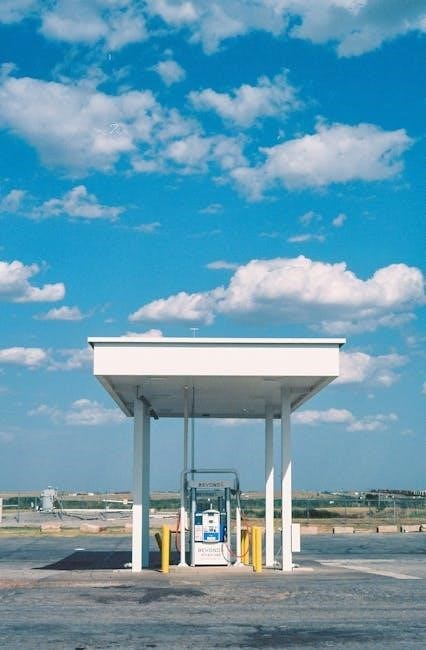
William Eggleston’s Guide presents a stream-of-consciousness view of everyday American life, captured through strikingly composed and vividly colored photographs․
Subject Matter: Everyday American Life
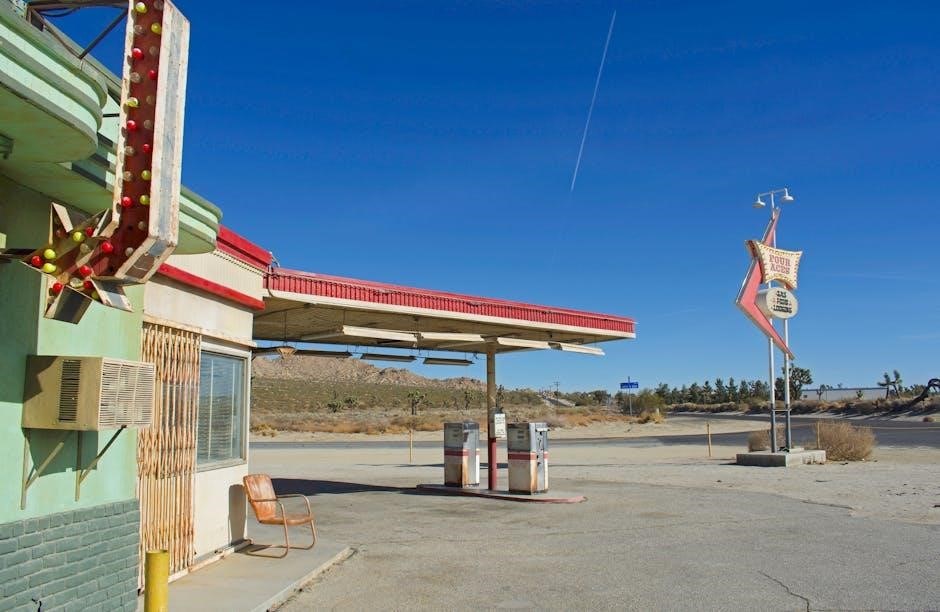
William Eggleston’s Guide meticulously documents the seemingly mundane aspects of American existence, shifting photographic focus to ordinary scenes․ He captured gas stations, diners, and domestic interiors—subjects previously deemed unworthy of artistic consideration․ This deliberate choice challenged conventional photographic norms, elevating the commonplace to a level of aesthetic significance․ Eggleston’s lens reveals beauty in the overlooked, presenting a democratic vision where every subject possesses intrinsic value․ His work isn’t about grand narratives, but rather the quiet poetry found within the fabric of daily routines and the distinctly American landscape․
Color Photography as Subject
William Eggleston’s Guide wasn’t simply in color; it made color the very subject of exploration․ Prior to 1976, color photography was largely relegated to commercial applications, lacking artistic credibility․ Eggleston boldly demonstrated color’s expressive potential, utilizing its vibrancy and nuance to convey mood and meaning․ He moved beyond simply replicating reality, employing color to create a distinct aesthetic language․ This groundbreaking approach fundamentally altered perceptions, establishing color photography as a legitimate and powerful art form, marking a pivotal shift in the medium’s history․
Compositional Style: Democratic Vision
Eggleston’s compositional style, often described as a “democratic vision,” eschewed traditional photographic hierarchies․ He found beauty and significance in seemingly mundane subjects – gas stations, diners, and suburban landscapes – treating them with the same artistic consideration as grand vistas․ His framing is often unconventional, incorporating seemingly random elements, mirroring the chaotic nature of everyday life․ This approach challenged established aesthetic norms, suggesting that artistic value resides not in subject matter, but in the photographer’s unique perspective and ability to reveal beauty in the ordinary․
Impact on the Photography World
William Eggleston’s Guide fundamentally challenged photographic traditions, legitimizing color photography as a fine art form and inspiring generations of photographers thereafter․
Challenging Traditional Photography
Prior to William Eggleston’s Guide, photography largely adhered to established norms of subject matter and aesthetic presentation, often favoring black and white for “serious” artistic expression․ Eggleston’s deliberate embrace of everyday scenes – diners, gas stations, and suburban landscapes – photographed in vibrant color, directly confronted these conventions․
He elevated the mundane to the level of art, demonstrating that artistic merit wasn’t dependent on grand subjects or technical perfection․ This approach questioned the very definition of what constituted a photograph worthy of artistic consideration, paving the way for a more inclusive and democratic vision within the field․
The Birth of Color Photography as Art
William Eggleston’s Guide is widely credited with legitimizing color photography as a fine art form․ Before 1976, color was often relegated to commercial applications – advertising, snapshots, or documentation – and largely dismissed by the art world․ Eggleston’s exhibition at MoMA, and the accompanying book, fundamentally shifted this perception․
He demonstrated color’s expressive potential, proving it could convey mood, nuance, and artistic intent just as effectively as black and white․ This marked a turning point, initiating the acceptance of color as a valid and powerful medium for artistic exploration and expression;
Influence on Subsequent Photographers
William Eggleston’s Guide profoundly impacted generations of photographers, liberating them from the constraints of traditional photographic aesthetics․ His “snapshot aesthetic” and focus on the mundane inspired artists to find beauty and significance in everyday scenes․ Photographers embraced color with newfound confidence, exploring its expressive possibilities․
Eggleston’s influence can be seen in the work of numerous artists who followed, encouraging a more democratic and personal approach to image-making, and validating subjective vision within the art form․

The First Edition and its Value
William Eggleston’s Guide first editions are highly sought after by collectors due to their rarity and historical importance, marking a turning point in photography․
Rarity and Collectibility
William Eggleston’s Guide holds significant value for collectors, stemming from its limited initial print run and groundbreaking status․ As the first dedicated exhibition of color photography at MoMA, the accompanying catalog quickly became a cornerstone of American photobooks․
Bauman Rare Books highlights its impact, noting it irrevocably changed how photographs are viewed, initiating a stream-of-consciousness style and establishing color photography’s artistic respectability․ Finding a first edition in excellent condition is increasingly challenging, driving up its market price and desirability among serious collectors and institutions․
Physical Characteristics of the First Edition
The first edition of William Eggleston’s Guide, published in 1976 by the Museum of Modern Art, is a relatively small format book․ It features a softcover binding, making it susceptible to wear and tear over time․ The book showcases Eggleston’s vibrant color photographs, reproduced within its pages․
Collectors often seek copies with minimal fading or damage to the cover and interior images․ Identifying a true first edition requires careful examination, as later printings exist․ Its modest size belies its monumental impact on the art world․
Bauman Rare Books and Similar Sources
William Eggleston’s Guide first editions are frequently offered through reputable rare book dealers like Bauman Rare Books, specializing in significant photographic publications․ These sources meticulously assess condition and authenticity, providing detailed descriptions and often high-resolution images for prospective buyers․
Other venues include Abebooks and specialist photography bookshops․ Prices vary considerably based on condition, ranging from several thousand to tens of thousands of dollars, reflecting the book’s historical importance and collectibility․

John Szarkowski’s Role
John Szarkowski, as MoMA’s curator, championed Eggleston’s work, writing the influential foreword to William Eggleston’s Guide and profoundly impacting its reception․
Szarkowski’s Foreword and Influence
John Szarkowski’s foreword to William Eggleston’s Guide wasn’t merely introductory; it was foundational in establishing the artistic legitimacy of color photography․ He argued for Eggleston’s work as a direct and democratic vision, akin to a novelist’s prose․
Szarkowski’s writing reframed how viewers understood photographic representation, suggesting Eggleston’s images weren’t about something, but were something – existing as pure visual statements․ This perspective was revolutionary, elevating everyday scenes to the level of fine art and influencing generations of photographers to explore color’s expressive potential․
The Curator and the Artist
John Szarkowski, as a curator at MoMA, championed William Eggleston at a time when color photography was largely dismissed as commercial or amateur work․ Their collaboration was crucial; Szarkowski recognized Eggleston’s unique vision and fought for its recognition within the art world․
This partnership wasn’t simply about showcasing work, but about redefining photographic standards․ Szarkowski’s belief in Eggleston’s artistic merit provided the platform for a paradigm shift, forever changing the landscape of photography and establishing Eggleston as a pivotal figure․

Eggleston’s Photographic Techniques
Eggleston frequently employed dye-transfer printing, contributing to his images’ distinctive, saturated color palette and a unique “snapshot aesthetic” within his work․
Use of Dye-Transfer Printing
William Eggleston’s masterful use of dye-transfer printing was central to establishing his signature aesthetic․ This complex process, involving multiple gelatin layers and precise color separation, yielded exceptionally rich and stable color reproductions․ Unlike other methods of the time, dye-transfer allowed for a level of nuance and saturation that perfectly suited Eggleston’s vision․
The technique contributed significantly to the vibrancy and almost hyperreal quality of his images, elevating everyday scenes with an unexpected intensity․ It was a deliberate choice, enhancing the artistic impact and lasting power of “William Eggleston’s Guide” and his broader body of work․
The “Snapshot Aesthetic”
William Eggleston deliberately embraced what appeared to be a “snapshot aesthetic” – seemingly casual compositions, unconventional framing, and a lack of traditional photographic polish․ This wasn’t accidental; it was a conscious rejection of established photographic norms․ He aimed to capture the world as it felt, not as it was conventionally represented․
This approach, initially controversial, became a defining characteristic of his work, particularly within “William Eggleston’s Guide”․ It democratized photography, suggesting artistic merit could be found in the mundane and the fleeting, challenging prevailing artistic expectations․
Related Works by William Eggleston
Eggleston continued exploring color with projects like “7 Seconds,” further solidifying his unique vision and expanding upon the themes introduced in “Guide․”
“7 Seconds” and Other Projects
Following the groundbreaking impact of “William Eggleston’s Guide,” the artist continued to develop his distinctive photographic style through various projects․ “7 Seconds,” for instance, showcased a similar dedication to capturing the mundane beauty of everyday American scenes․ These subsequent works, while perhaps less immediately celebrated than “Guide,” demonstrate Eggleston’s sustained commitment to color photography and his unique compositional approach․ He persistently explored the aesthetic possibilities of the snapshot, elevating seemingly ordinary moments into compelling works of art, solidifying his place as a visionary photographer․
Eggleston’s Continued Exploration of Color
Even after the revolutionary impact of “William Eggleston’s Guide,” the artist relentlessly pursued his fascination with color․ He didn’t simply use color; he investigated its emotional resonance and its ability to transform the perception of familiar subjects․ This dedication moved color photography from a commercially-oriented field towards artistic respectability․ Eggleston’s ongoing work consistently demonstrated a masterful command of dye-transfer printing, enhancing the vibrancy and nuance of his color palette, and cementing his legacy․
Edward Eggleston: A Historical Note
Edward Eggleston, a 19th-century author, penned “A First Book in American History,” employing a biographical approach to teaching historical events and figures․
Distinction from William Eggleston
It’s crucial to differentiate between William Eggleston, the groundbreaking color photographer, and Edward Eggleston, a historical writer from a prior era․ While sharing a surname, their contributions lie in vastly different fields․ Edward focused on narrating American history through biographical accounts, aiming to educate younger audiences about the nation’s development and its key figures․ Conversely, William revolutionized photographic art, challenging conventional norms with his vibrant and often unconventional depictions of everyday American life․ Their legacies, though connected by name, remain distinctly separate and impactful within their respective disciplines․
Edward Eggleston’s Historical Writings
Edward Eggleston authored “A First Book in American History,” building upon his earlier “Stories of Great Americans for Little Americans․” His approach centered on biographical storytelling, intending to vividly portray the unfolding of United States history․ He aimed to connect readers with the individuals who shaped the nation, offering a more engaging and relatable learning experience․ Eggleston’s work focused on bringing historical events to life through the narratives of those who lived them, providing a detailed and accessible account of America’s past․
Availability and Access
William Eggleston’s Guide is accessible through the Museum of Modern Art archives, the Internet Archive, and retailers like Amazon and specialized rare book dealers․
Museum of Modern Art Archives
The Museum of Modern Art (MoMA) holds significant archival material relating to William Eggleston’s Guide, including documentation from the groundbreaking 1976 exhibition․ Researchers and enthusiasts can explore exhibition records, correspondence, and potentially even preliminary prints or notes associated with the project․ Accessing these resources often requires appointments and adherence to MoMA’s archival research guidelines, ensuring the preservation of these historically important materials․ The archives provide invaluable insight into the context surrounding the book’s creation and initial reception, offering a deeper understanding of its impact on the art world․
Internet Archive Resources
The Internet Archive provides digital access to William Eggleston’s Guide, offering a valuable resource for those unable to access a physical copy․ Users can borrow or stream the book online, facilitating wider study and appreciation of Eggleston’s work․ The Archive’s listing details the publication date as 2002 for this particular edition, and categorizes it under Photography and Artistic subjects․ This digital availability democratizes access to a historically significant photobook, preserving it for future generations and enabling global engagement with Eggleston’s vision․
Purchasing Options (Amazon, Rare Book Dealers)
William Eggleston’s Guide is available through various channels․ Amazon․com currently lists copies for sale, offering a convenient purchasing option․ For collectors seeking first editions or specific printings, reputable rare book dealers like Bauman Rare Books specialize in such items․ These dealers often provide detailed descriptions of a book’s condition and provenance․ Prices vary significantly based on edition, condition, and rarity, with first editions commanding substantial values due to their historical importance and collectibility․

Critical Reception and Analysis
William Eggleston’s Guide initially sparked varied reactions, but ultimately redefined color photography as art, prompting contemporary interpretations of everyday American life․
Initial Reactions to the Work
The 1976 MoMA exhibition of William Eggleston’s Guide and its accompanying publication were met with considerable debate and, at times, outright skepticism․ Many established photography critics questioned the artistic merit of using color, traditionally relegated to commercial applications․
The seemingly mundane subject matter – gas stations, diners, and suburban landscapes – further challenged conventional notions of photographic worth․ Some dismissed Eggleston’s work as simply “snapshots,” lacking the gravitas of black-and-white documentary photography․ However, a growing number of viewers and critics began to recognize the groundbreaking nature of his vision, acknowledging its influence on the future of the medium․
Contemporary Interpretations
Today, William Eggleston’s Guide is widely celebrated as a landmark achievement in photographic history, fundamentally altering perceptions of color and subject matter․ Scholars now view Eggleston’s work as a profound exploration of American identity, capturing the subtle beauty and underlying melancholy of everyday life․
His “democratic vision,” focusing on seemingly insignificant details, is seen as a rejection of traditional artistic hierarchies․ The book’s influence extends beyond photography, impacting fields like painting and film, solidifying its place as a crucial work of 20th-century art;

Legacy and Continued Relevance
William Eggleston’s Guide secures Eggleston’s place in photographic history, with its enduring appeal stemming from its innovative use of color and unique perspective․
Eggleston’s Place in Photographic History
William Eggleston’s Guide fundamentally reshaped the landscape of photography, transitioning color from a commercially-focused medium to a respected artistic form․ Before 1976, color photography largely lacked critical recognition within the art world; Eggleston’s MoMA exhibition and accompanying book challenged this established norm․
He pioneered a “snapshot aesthetic,” elevating everyday scenes to the level of fine art, influencing generations of photographers․ His work demonstrated that artistic merit wasn’t confined to traditional black-and-white techniques, solidifying his position as a visionary and a crucial figure in 20th-century art․
The Enduring Appeal of “William Eggleston’s Guide”
William Eggleston’s Guide continues to resonate with audiences due to its groundbreaking approach and timeless quality․ The book’s depiction of mundane American life, captured in vibrant color, offers a uniquely compelling and democratic vision․ Its influence extends beyond photography, impacting visual culture broadly․
The work’s enduring appeal lies in its ability to reveal beauty in the ordinary, prompting viewers to reconsider their perceptions of the world around them․ It remains a vital source of inspiration and a cornerstone of photographic study․