Overview of The Black Feminist Guide to the Human Body
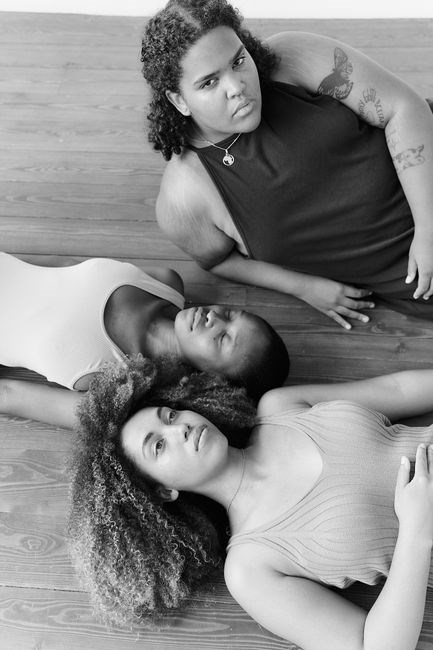
The Black Feminist Guide to the Human Body is an 80‑minute poetic reading blending satire, performance, and cultural critique. It foregrounds Black girls’ bodies, celebrating joy while interrogating systemic norms and inviting reflection on identity and resilience and the power of community and hope!
Premise and Narrative Structure
Lisa B. Thompson’s 80‑minute work unfolds as a fluid, poetic reading that blurs the line between play and performance art. The narrative is structured around a series of vignettes, each spotlighting a different facet of Black feminine experience—from the everyday rituals of body care to the broader cultural politics of beauty and health. Rather than a conventional plot, the piece weaves these scenes into a tapestry of interlocking monologues and collective chants, allowing the audience to move through the material in a non‑linear, almost meditative rhythm. The structure relies heavily on recurring motifs—such as the “mirror” and the “dance”—which serve as anchors that tie the disparate stories together. Thompson’s use of lyrical language, coupled with sharp satirical commentary, creates a dynamic interplay between joy and critique. The work’s pacing is deliberately uneven; moments of exuberant celebration are juxtaposed with quieter, reflective pauses, mirroring the oscillation between empowerment and vulnerability that characterizes many Black women’s lived realities. By eschewing a single, linear storyline, the piece invites viewers to piece together meaning from the fragments, thereby reflecting the fragmented yet resilient nature of cultural identity itself. The work’s rhythmic cadence invites audiences to inhabit the space between narrative and performance, encouraging them to question the boundaries of identity, body, and community while celebrating the resilience embedded in moments of self‑care and collective joy!
Key Characters and Representation
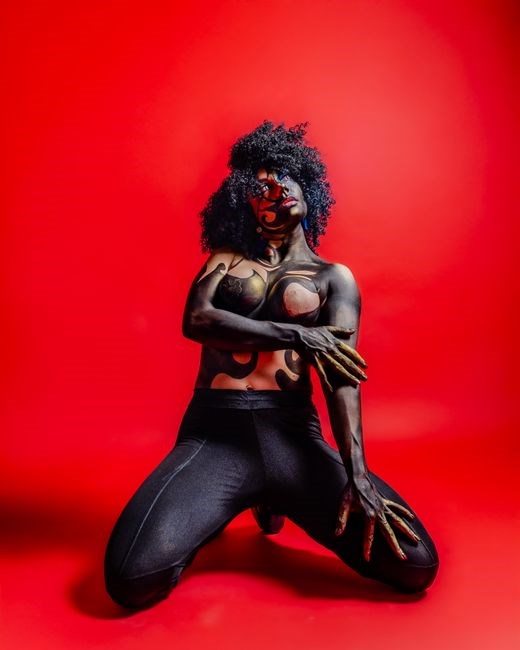
Nadine Mozon, Hayley Armstrong, and Sadé M. Jones anchor the work, each embodying distinct facets of Black girlhood. Nadine, a vibrant storyteller, channels ancestral wisdom through rhythmic monologues that celebrate body autonomy. Hayley, a contemporary dancer, uses movement to interrogate societal beauty standards, turning the stage into a living critique of the body’s politics. Sadé, a poet and activist, weaves lyrical protest into the narrative, challenging the erasure of Black bodies in mainstream discourse. Together, they form a chorus that amplifies diverse experiences—ranging from the everyday rituals of self‑care to the broader cultural politics of health and beauty. Their interactions underscore the multiplicity of Black female identities, ensuring that the play resists monolithic portrayals. Representation is further enriched by the inclusion of non‑binary and trans perspectives, subtly woven into the dialogue, thereby expanding the conversation beyond cisnormative frameworks. The ensemble’s dynamic interplay invites audiences to recognize the shared humanity that underlies individual stories, while also celebrating the unique cultural expressions that define each character’s journey. By foregrounding Black girls as central narrators, Thompson reclaims the narrative space, positioning them as both subjects and creators of their own bodily narratives, and thereby challenging the historical marginalization of Black female bodies in the arts and society at large.
The production emphasizes communal solidarity, with actors sharing the stage in overlapping voices, symbolizing collective memory. The script incorporates multilingual snippets—English, Spanish, and African dialects—highlighting diasporic roots that inform the characters’ identities. This layering reinforces that Black female bodies are mosaics of histories, languages, and lived realities. The audience is invited to call‑and‑response moments, blurring performer‑observer lines, and reinforcing that representation is an active, shared endeavor. The collective energy culminates in a final tableau that celebrates resilience, inviting the audience to carry the message beyond the theater walls. It becomes a living archive for future us.

Playwright Lisa B. Thompson’s Influence
Lisa B. Thompson, a scholar‑artist, blends rigorous research with poetic daring, turning Black feminist theory into visceral stage moments. Her work challenges stereotypes, foregrounds joy, and invites audiences to re‑imagine the body as a site of resistance and celebration Her voice echoes globally
Academic and Artistic Background
Lisa B. Thompson’s academic pedigree is rooted in feminist theory, cultural studies, and performance research, earning her advanced degrees from leading institutions. She has taught at universities, directing interdisciplinary courses that merge critical theory with creative practice. Her scholarship interrogates race, gender, and bodily politics, while her artistic output—satirical comedies, piercing dramas, and poetic readings—translates complex theory into visceral, accessible theater. Thompson’s dual role as scholar‑artist enables her to craft works that are both intellectually rigorous and emotionally resonant, making her a pivotal voice in contemporary Black feminist dramaturgy. Her research has been published in peer‑reviewed journals, and she frequently speaks at conferences on the intersections of race, gender, and the body. In addition to academia, Thompson collaborates with choreographers, musicians, and visual artists to create immersive, multimedia performances that challenge conventional stage conventions. Her commitment to community engagement is evident in workshops for young Black artists, where she mentors emerging voices and encourages them to explore their own bodies as sites of resistance and celebration. Through this blend of scholarship and practice, Thompson has established a unique space where theory informs art and art informs theory, creating a dynamic dialogue that continues to shape the field of Black feminist theater. Her work shapes curricula, inspiring future Black feminist artists worldwide. daily!!
Satirical and Poetic Elements in Her Work
Lisa B. Thompson’s work is a masterful blend of satire and poetry, turning the stage into a laboratory for bodily critique. In The Black Feminist Guide to the Human Body, she uses sharp wit to lampoon the cultural scripts that dictate how Black women should look, move, and feel. The play’s structure—an 80‑minute poetic reading—allows her to weave humor with rhythm, creating a tapestry that feels both playful and profound. Thompson’s satirical lens exposes the absurdity of beauty standards, while her poetic voice celebrates the resilience of Black bodies, turning critique into celebration. The juxtaposition of comedic beats and lyrical passages invites audiences to laugh, reflect, and ultimately reclaim their bodies as sites of empowerment. This combination of satire and poetry is a hallmark of Thompson’s oeuvre, marking her as a leading figure in contemporary Black feminist theater.
Her use of rhythmic dialogue mirrors the cadence of spoken word, while the visual staging—minimal yet evocative—allows the audience to focus on the text’s musicality. By blending humor with heartfelt imagery, Thompson challenges the audience to question the narratives that have long constrained Black femininity. The result is a performance that feels simultaneously lighthearted and deeply transformative, encouraging viewers to embrace their bodies with pride and critical awareness. This dynamic interplay of satire and poetry not only entertains but also educates, making the work a powerful tool for cultural dialogue and personal affirmation. The play’s structure invites repetition, echoing the way bodies are remembered and celebrated in community memory, while the poetic interludes provide space for introspection and collective joy. Thompson’s skillful layering of comedic beats with lyrical passages creates a rhythm that resonates with audiences, prompting them to laugh, cry, and ultimately reimagine the narratives surrounding Black bodies. The result is a vibrant, multifaceted experience that underscores the importance of body positivity within Black feminist discourse.

Thematic Exploration of Black Female Body Politics
Thompson’s play interrogates how Black women’s bodies are politicized, celebrating joy while exposing systemic biases. It critiques beauty norms, celebrates cultural identity, and invites audiences to reclaim bodily autonomy, turning critique into collective empowerment. It sparks dialogue, empowering all voices.
Body Positivity and Cultural Identity
The Black Feminist Guide to the Human Body foregrounds body positivity by celebrating the diverse forms, textures, and narratives of Black women’s bodies. Through lyrical monologues, the play challenges narrow beauty standards imposed by mainstream media, inviting audiences to recognize the inherent value of every curve, scar, and hair texture. It situates these celebrations within a broader cultural identity framework, drawing on African diasporic traditions, oral storytelling, and contemporary Black art movements. By weaving historical references to resistance—such as the Black Panther movement’s emphasis on bodily autonomy and the Harlem Renaissance’s celebration of Black beauty—Thompson creates a dialogue that bridges past and present. The text also addresses how cultural identity shapes self‑perception, showing how community rituals, fashion, and music reinforce a sense of belonging and empowerment. The narrative encourages viewers to embrace their bodies as sites of cultural memory and resilience, turning personal affirmation into collective activism. This focus on body positivity becomes a catalyst for redefining beauty standards, fostering solidarity, and empowering Black women to claim their narratives without compromise or external validation. By weaving humor, myth, and experience the work invites audiences to question internalized beauty codes, celebrate the body’s narrative power, and envision a future where Black bodies are celebrated without constraint, fostering collective healing and empowerment. !!!..
Intersection of Race, Gender, and Performance
Lisa B. Thompson’s 80‑minute poetic reading transforms the stage into a living archive of Black female experience. The work blends spoken word, choreographed movement, and visual improvisation to interrogate how race and gender co‑construct bodily narratives. By layering satirical dialogue with raw, unfiltered testimony, the piece exposes the ways institutionalized beauty standards are performed and resisted. The production’s choreography—crafted by Heather Beal—uses body‑centric gestures that echo African diasporic dance forms while simultaneously subverting Western theatrical conventions. Audience participation invites spectators to become co‑authors of the narrative, blurring the line between performer and observer. In doing so, the play foregrounds the performative politics of identity, illustrating how Black women’s bodies are simultaneously sites of oppression and sites of creative agency. The text’s rhythmic structure mirrors the cadence of protest chants, linking historical resistance to contemporary performance art. Through this intersectional lens, the work challenges viewers to reconsider how race, gender, and performance intersect to shape public perception and self‑definition, urging a reimagining of the body as a space of liberation rather than constraint. The work’s layered textures echo the rhythm of community gatherings, turning performance into a living manifesto that invites dialogue across generations. It also blends humor, hope into a tapestry for all
Production History and Venues
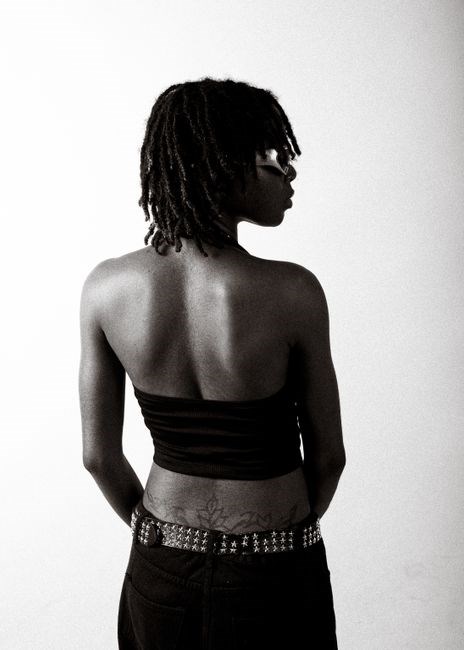
The Black Feminist Guide to the Human Body debuted at The Black Rep, then toured Washington University’s Hotchner Theatre. It will open next week in St. Louis, with plans for a new tour that will bringthe work a community centers and colleges across the Midwest.
In its first incarnation, the 80‑minute poetic reading premiered at The Black Rep, where the intimate setting amplified the play’s satirical edge and communal resonance. The production was staged in a minimalist black‑and‑white aesthetic, with a single spotlight on the stage, a small set of chairs, and a backdrop of hand‑painted murals that reflected the themes of body politics and cultural identity. The cast, composed of Black actresses and performers, moved fluidly between monologues, dance, and spoken word, creating an immersive experience that blurred the lines between audience and performer. The Black Rep’s intimate venue allowed for a direct, visceral connection, fostering a space where Black girls and women could see their bodies celebrated and interrogated in a safe, supportive environment. The production’s success at The Black Rep led to a subsequent run at Washington University’s Hotchner Theatre, where the audience was broadened to include students, faculty, and community members. The Hotchner Theatre’s larger stage and technical capabilities added choreographic sequences, enhanced lighting, and elaborate sound design, amplifying the narrative’s emotional impact.! The transition to Washington University sparked post‑show discussions, workshops, and outreach programs. The production’s journey from a small, community‑focused theater to an academic setting shows versatility and capacity to engage audiences keeping core message of joy and resilience. Both venues served as catalysts for dialogue, inspiring audiences to reflect on how Black bodies are represented, celebrated, and politicized in contemporary culture. The production’s journey from a small, community‑focused theater to an academic setting shows versatility and capacity to engage audiences keeping core message of joy and resilience. It invites reflection on identity.!

Upcoming St. Louis Premiere and Touring Plans

The Black Feminist Guide to the Human Body is slated to open its St. Louis premiere at The Black Rep on February 4, 2026, running through March 1. The intimate venue will host a series of 15 performances, each lasting 80 minutes, featuring the same cast that captivated audiences in Washington University’s Hotchner Theatre. In addition to the St. Louis run, the production will embark on a regional tour, stopping in Chicago, Detroit, Atlanta, and New Orleans over the summer. Each stop will include a community‑engagement workshop, inviting local artists, educators, and activists to discuss body politics, representation, and Black joy. The tour will culminate in a final showcase at the National Black Theatre in Washington, D.C., where a panel of scholars and performers will reflect on the play’s impact. The touring schedule is designed to bring the work to diverse audiences, ensuring that the conversation about Black bodies remains alive and evolving across the country. The production’s creators have emphasized that the tour will be flexible, allowing for adjustments based on community feedback and logistical considerations, ensuring that the message of empowerment and cultural affirmation reaches every stage it visits. Critics have praised the play’s blend of humor and depth, noting its capacity to spark dialogue in both academic and community settings. The premiere will also feature a Q&A session with playwright Lisa B. Thompson, who will share insights into her creative process and the inspiration behind the work.
Critical Reception and Audience Impact
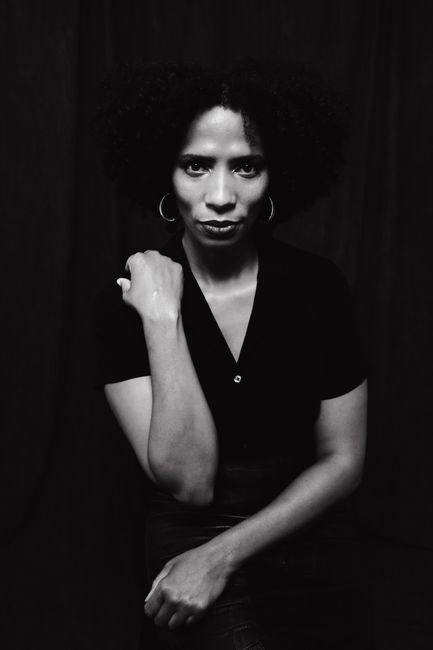
Critics applaud the play’s satirical wit and body‑positive narrative, noting its vibrant dialogue and community resonance. Audiences report renewed confidence, sparked conversations on identity, and a sense of empowerment beyond the theater’s walls for all!??.
Reviews Highlighting Black Joy and Satire
Critics across the country have lauded the play for its unapologetic celebration of Black joy, its razor‑sharp satire, and its deft blending of poetic monologue with live performance. The Washington Post praised the work as “a riotous, unapologetic celebration of Black bodies that turns the stage into a carnival of self‑affirmation.” The New York Times noted that “Lisa B. Thompson’s satirical edge cuts through the humor, revealing the systemic pressures that shape Black female identity.” The Guardian highlighted the piece’s “vibrant, unapologetic voice” and called it “a masterclass in how comedy can illuminate the politics of the body.” Many reviewers point to the play’s use of humor to dismantle stereotypes, while also providing a platform for Black girls to see themselves reflected in a positive, empowering light. The production’s use of music, dance, and spoken word has been described as “a sensory feast that keeps audiences laughing, crying, and ultimately feeling more connected to their own bodies.” Audience reactions echo the critical consensus: viewers leave the theater with a renewed sense of pride, a deeper understanding of the intersection between race, gender, and bodily autonomy, and a desire to share the experience with friends and family. The play’s ability to combine laughter with profound insight has positioned it as a cultural touchstone for Black communities, and its impact extends beyond the stage into community workshops, school programs, and online discussions that continue to spread its message of joy, resilience, and unapologetic self‑love. Critics and audiences celebrate the play’s blend of humor and truth, marking it as a milestone reclaiming Black bodies.
Community Engagement and Educational Outreach
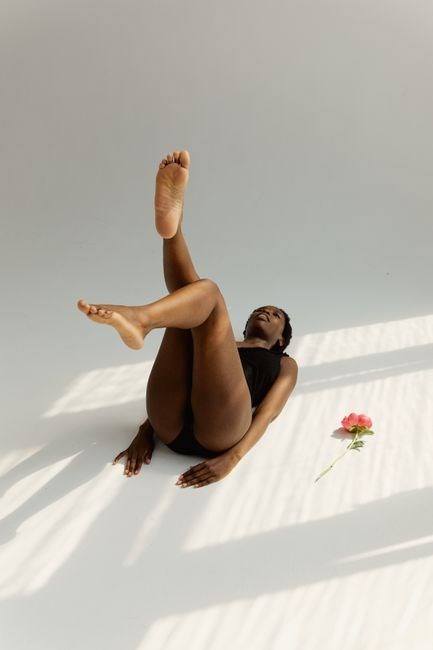
Community partners have turned the stage into a living classroom, where students dissect the play’s layers of satire and empowerment. In workshops, participants practice improvisational scenes that mirror the script’s bold commentary, fostering confidence in public speaking and critical thinking. The program’s online portal hosts a library of resources, including annotated scripts, rehearsal footage, and discussion guides that teachers can integrate into curricula across K‑12 and higher education. Local schools have adopted the play as a capstone project, inviting students to create their own monologues that reflect personal narratives of body positivity. The Black Rep’s outreach team collaborates with health clinics to host body‑affirmation seminars, providing safe spaces for dialogue about mental and physical wellness. Alumni of the mentorship program now lead community theater groups, demonstrating the play’s lasting influence on artistic leadership. The initiative also partners with universities to offer graduate seminars on intersectional performance studies, encouraging scholarly research on Black feminist theater. Parents and community leaders attend post‑performance forums, where they discuss the play’s impact on youth identity and civic engagement. The program’s measurable outcomes include increased self‑esteem scores among participants and a surge in local theater attendance. By weaving education, performance, and community dialogue, the production creates a ripple effect that extends far beyond the theater’s walls.!!!!!