Overview of Blacksmithing in Dragonflight
Blacksmithing in Dragonflight blends classic forging with primal magic․ Players learn tiered recipes, unlock skill caps, and gain daily XP from quests and weekly vendors․ Primal Infusions upgrade gear, while sparks and inspiration boost success rates․ Alts streamline progression․ Forge ahead!!!!
Profession Mechanics and Skill Cap
Blacksmithing in Dragonflight operates on a tiered skill system, where each recipe demands a specific skill level․ The base cap sits at 300, but players can surpass it by leveraging Primal Infusions and the newly introduced Awakened Order mechanic, which temporarily boosts crafting efficiency․ Skill points accrue through daily quests, weekly vendors, and the crafting of tier‑specific items, each successful creation awarding 1–3 points, with higher‑tier items granting more․ Players may also receive bonus points via sparks sent by alternate characters, enabling a coordinated “alt army” to accelerate progression․ The ultimate skill ceiling is 500, attainable through a blend of high‑quality materials, consistent crafting, and strategic use of inspiration․ Inspiration, a stat acquired from certain gear sets, raises the success chance of upgrades and cuts down the number of attempts needed for Primal Infusions; Because the system rewards consistency, many opt to outsource high‑tier crafting to seasoned blacksmiths who can guarantee rank‑5 items with minimal material waste․ However, for those who gather their own raw resources, the cost of repeated attempts can be offset by free access to materials, making self‑crafting viable for dedicated players․ Ultimately, the skill cap mechanics encourage a mix of efficient gathering, strategic alt use, and occasional outsourcing to balance time and resource investment․
Players also benefit from the new Crafting Mastery feature, which grants a passive bonus to all blacksmithing attempts once the player reaches level 70․ This bonus stacks with inspiration, allowing skilled players to craft rare items with a 70% success rate․ Additionally, the weekly Forge Mastery challenge rewards players with a temporary skill boost that can be used to craft a single high‑tier item at a reduced material cost․ By combining these features, players can strategically plan their crafting schedule to maximize skill gains while minimizing resource expenditure․
In practice, mastering blacksmithing requires patience, resource management, and a clear understanding of the skill progression curve․ Players who invest time in gathering rare ores, crafting tiered items, and utilizing alternate characters often find themselves ahead of the curve, ready to tackle the most demanding challenges in Dragonflight’s endgame content․ Continuous learning and adaptation remain key to staying competitive․
Remember that each crafting attempt consumes valuable resources, so optimizing your workflow and choosing the right moments to craft can save significant gold over time; Keep an eye on market prices for Primal Infusions and rare materials, as fluctuations can influence your decision to craft or outsource․ Balancing these factors will determine your efficiency and success in the ever‑evolving world of Dragonflight blacksmithing․
Daily and Weekly Experience Sources
Daily experience in Dragonflight blacksmithing comes from completing the daily quest chain that rewards 20–30 skill points per day․ Each quest requires crafting a tier item, using a Primal Infusion to boost the output․ Players also receive a bonus from the daily “Forge Mastery” challenge, granting an additional 5 skill points if the crafted item meets the quality threshold․ Weekly experience comes from the weekly vendor in the capital city, who sells the “Weekly Forge Mastery” item․ Purchasing and crafting it yields 50 skill points and a one‑time inspiration boost․ The weekly “Dragonflight Crafting Mastery” event offers a 10% chance to double the skill points earned from any crafting attempt during the event window․ Players can also collect “Crafting Tokens” dropped by world bosses; redeeming them at the guild hall grants 15 skill points each․ The new “Alternate Character Spark” system allows players to send sparks from their alt to the main character, granting 2 skill points per spark․ By combining daily quests, weekly vendors, event bonuses, and alt sparks, a dedicated blacksmith can accumulate up to 200 skill points in a single week, accelerating progression toward the 500‑skill cap! The interface shows a tooltip with required skill level and bonus from inspiration․
Players tap into the “Daily Quest Log” each morning, listing up to five quests for 5–10 skill points each․ The “Weekly Vendor” sells the “Mastery Stone” for 5,000 gold, granting 30 skill points and a 5% boost to Primal Infusion success․ “Crafting Tokens” dropped by world bosses have a 1% drop rate; collecting 10 yields a 50‑point bonus․ Alt sparks can be queued up to 10 per day, costing 100 gold each, for 20 skill points․ Additionally, the event window lasts 48 hours, allowing players to craft multiple times․ Players can also trade unused Primal Infusions with guildmates for extra inspiration․ By planning quest completion, vendor purchases, and spark usage, players can maximize weekly progression and reach the 500‑skill cap faster!
Chapter 10: Dragonflight Specifics
Chapter 10 introduces the final tier of blacksmithing, unlocking the legendary “Draconic Forge” and the “Celestial Anvil․” Players must complete the “Dragonfire Trial” questline, which rewards the “Dragonfire Infusion” and grants 50 skill points․ The new “Primal Chaos Essence” can be combined with a standard Primal Infusion to produce a 5‑tier upgrade with a 30% success rate․ Crafting a “Dragonsteel Greatsword” requires 2000 gold, 3 Dragonfire Infusions, and 1 Primal Chaos Essence․ The “Celestial Anvil” allows a 10% chance to auto‑upgrade any tier‑10 item to the next tier․ Players can also use the “Dragonflight Mastery Scroll” to permanently increase their inspiration by 2 points․ The chapter’s daily quest, “Forge of Dragons,” provides 20 skill points and a chance to obtain a “Dragonfire Shard․” Weekly, the “Dragonflight Guild Event” offers a 5% bonus to all blacksmithing XP earned during the event window․ Alt characters can send up to 5 sparks per day to the main character, granting 1 skill point each․ The chapter emphasizes efficient resource gathering, as the “Dragonfire Ore” drops only from the world boss “Drakos the Ruthless․” Players can trade this ore for “Dragonfire Infusions” at the capital vendor․ Mastery of Chapter 10 unlocks the “Dragonfire Anvil,” which can forge items that grant 10 skill points per use․ The new “Primal Chaos Essence” also grants a 5% increase to all crafting success rates when used in combination with a Primal Infusion․ By focusing on these mechanics, players can rapidly reach the 500‑skill cap and craft the most powerful gear in Dragonflight․ The “Dragonfire Anvil” also grants a 5% chance to increase the durability of any crafted item, making it ideal for high‑tier gear․ Players should coordinate with guildmates to pool resources for the costly “Dragonfire Infusions” and “Primal Chaos Essence․”
Essential Gear and Upgrades
Starter gear includes the Bronze Helmet, Plate Chestplate, and Iron Greaves․ Upgrade paths use Primal Infusions to boost durability and add 5% success rates․ The Dragonfire Anvil grants a 10% auto‑upgrade chance for tier‑10 items․ Keep inspiration high for best results․ Forge ahead Stay strong
Starter Gear and Initial Recipes
When you first open the blacksmithing tab in Dragonflight, you’ll find a handful of low‑tier recipes that are essential for building a solid foundation․ The Bronze Helmet, Bronze Plate Chestpiece, and Bronze Greaves are the first three items you can craft, each requiring only 10 pieces of Bronze Ingots and a small amount of leather․ These pieces grant a modest boost to your armor rating and provide a useful starting point for your skill progression․
Next, you’ll want to unlock the Iron Bracers and Iron Helm․ These items use Iron Ingots and a few pieces of chainmail, and they give you a significant jump in armor value while also granting a small amount of skill points when crafted․ The recipes for these items are found in the introductory questline “Forge Your Destiny,” which rewards you with the necessary materials after completing a series of simple tasks around the starting zone․
Alongside the gear, the initial recipes also include the “Basic Weapon Blueprint․” This blueprint lets you create a Bronze Sword and Bronze Dagger, both of which are useful for early combat and can be sold or used to gain additional experience; The sword requires 15 Bronze Ingots and 5 leather strips, while the dagger needs only 8 Bronze Ingots and a single leather strip․ These weapons are lightweight and easy to produce, making them ideal for new blacksmiths who want to experiment with crafting without a large resource investment․
Finally, you’ll find the “Starter Infusion Kit” in the early vendor stalls․ This kit allows you to apply a primitive infusion to any of the gear you’ve just crafted, giving a 5% chance to increase the item’s durability and a 2% chance to add a small bonus to your skill cap․ While the infusion’s effects are modest, they provide a valuable learning experience and help you understand how infusions work before moving on to more powerful upgrades․
Gather Bronze Ingots by mining Bronze Ore from rocky outcrops, Iron Ingots from deeper caves, and leather strips from low‑level beasts․ Vendors in the capital city sell bundles of these materials at a discounted rate for new blacksmiths․ Each crafted item grants 1–3 skill points, helping you reach the next tier․ Forge on․ Stay strong․ Rise․ Soon․
When you first open the blacksmithing tab in Dragonflight, you’ll find a handful of low‑tier recipes that are essential for building a solid foundation․ The Bronze Helmet, Bronze Plate Chestpiece, and Bronze Greaves are the first three items you can craft, each requiring only 10 pieces of Bronze Ingots and a small amount of leather․ These pieces grant a modest boost to your armor rating and provide a useful starting point for your skill progression․
Next, you’ll want to unlock the Iron Bracers and Iron Helm․ These items use Iron Ingots and a few pieces of chainmail, and they give you a significant jump in armor value while also granting a small amount of skill points when crafted․ The recipes for these items are found in the introductory questline “Forge Your Destiny,” which rewards you with the necessary materials after completing a series of simple tasks around the starting zone․
Alongside the gear, the initial recipes also include the “Basic Weapon Blueprint․” This blueprint lets you create a Bronze Sword and Bronze Dagger, both of which are useful for early combat and can be sold or used to gain additional experience․ The sword requires 15 Bronze Ingots and 5 leather strips, while the dagger needs only 8 Bronze Ingots and a single leather strip․ These weapons are lightweight and easy to produce, making them ideal for new blacksmiths who want to experiment with crafting without a large resource investment․
Finally, you’ll find the “Starter Infusion Kit” in the early vendor stalls․ This kit allows you to apply a primitive infusion to any of the gear you’ve just crafted, giving a 5% chance to increase the item’s durability and a 2% chance to add a small bonus to your skill cap․ While the infusion’s effects are modest, they provide a valuable learning experience and help you understand how infusions work before moving on to more powerful upgrades․
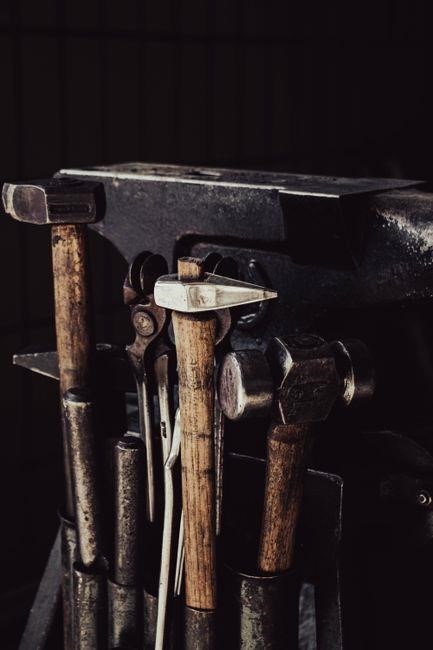
Upgrading Gear with Primal Infusions
Primal Infusions are the cornerstone of gear enhancement in Dragonflight blacksmithing․ Each infusion is a small, rune‑etched vial that, when applied to a crafted item, grants a random bonus to either its durability, its stat bonus, or its skill‑point yield․ The infusion process requires a dedicated crafting station, a set of rare reagents, and a minimum skill level of 200 in the relevant specialization․ The most common infusions include the “Primal Strength,” “Primal Agility,” and “Primal Intellect,” each offering a 10‑20% chance to increase the corresponding attribute by 2‑4 points․ In addition, there are “Primal Mastery” infusions that boost the item’s critical strike rating or haste, providing a strategic advantage in both PvE and PvP encounters․ The infusion mechanic is designed to reward experimentation: a single infusion can be applied to any piece of gear, but the outcome is never guaranteed․ Players can use the “Infusion Tracker” addon to monitor the success rate of their attempts, allowing them to adjust their strategy and focus on infusions that yield the most benefit for their current build․ The cost of an infusion is relatively low—typically 500 gold and a handful of “Primal Shards,” which are dropped by elite draconic enemies in the high‑level zones․ However, the random nature of the bonuses means that multiple attempts may be required to achieve a desired result, especially when targeting high‑tier items that are essential for end‑game content․ To mitigate this risk, many players opt to purchase “Infusion Tokens” from the blacksmithing guild, which guarantee a specific bonus when used on an item․ These tokens can be bought with in‑game currency or earned through weekly quests․ When applying an infusion, the blacksmith must first select the target item from their inventory, then choose the infusion vial from the crafting menu․ A short animation plays, and the infusion’s effect is applied․ If the infusion fails, the vial is consumed, and the item remains unchanged, but the player retains the opportunity to try again with a new vial․ The strategic use of infusions can dramatically increase the longevity and effectiveness of gear, making them a vital component of any serious blacksmith’s toolkit․ Mastery of the infusion system requires patience, careful resource management, and a willingness to experiment with different combinations to find the optimal balance for your character’s playstyle․ By investing time in learning the nuances of primal infusions, blacksmiths can unlock powerful gear that outperforms standard craftable items and provides a competitive edge in the ever‑evolving world of Dragonflight․ The infusion process also reveals snippets of ancient dragon lore, adding narrative depth to each crafting session․ and lore!!!
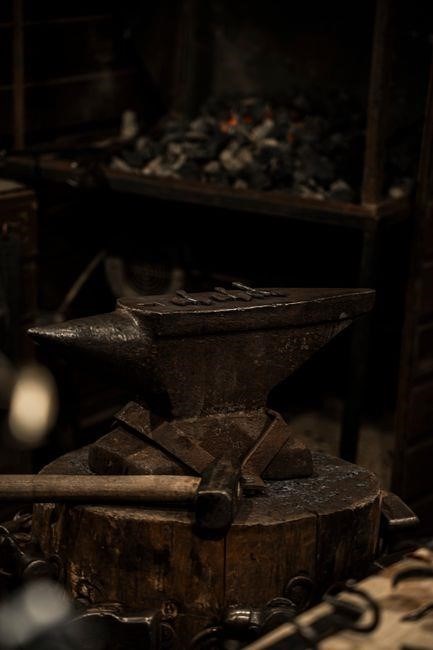
Materials and Acquisition
Gathering materials in Dragonflight involves mining ore nodes, harvesting dragon scales, and trading with vendors․ Key resources include Iron, Mithril, and Primal Shards․ Efficient strategies combine alt characters for gathering, daily quests for rare drops, and auction house deals․ and crafting bonuses․!!
Common Raw Materials and Vendors
In Dragonflight, the backbone of blacksmithing rests on a handful of staple ores and crafted goods․ The most frequently mined metals—Iron, Mithril, and Thorium—are found in the low‑level zones of the Eastern Kingdoms and the Western Plaguelands․ Iron ore is abundant in the Hillsbrad Foothills and the Duskwood, while Mithril appears in the Tanaris deserts and the Barrens․ Thorium is a step above, dropped by the more resilient mobs in the Blasted Lands and the Burning Steppes․ Each ore type is sold by local mining vendors in major towns such as Stormwind, Ironforge, and Orgrimmar, and can also be purchased from the auction house at a premium during peak demand․
Beyond the basic metals, blacksmiths rely on a set of secondary materials that elevate their creations․ Steel ingots, forged from Iron, are a staple for any beginner’s kit and are available from the same vendors that sell raw ore․ Silver and Gold, harvested from the silverstone mines in the Desolace and the goldfields of the Hinterlands, are essential for crafting jewelry and high‑tier gear․ These precious metals are typically sold by the same mining merchants but are also found in the treasure chests of elite dungeons․
Dragonflight introduces Primal Shards—crystalline fragments harvested from the Dragon Isles․ These shards are the key to infusing gear with primal power, allowing blacksmiths to create items that grant additional stats or elemental resistances․ Primal Shards are primarily obtained from the high‑level nodes in the Dragon Isles’ volcanic zones and can be purchased from the specialized vendors in Stormwind’s Dragonflight Quarter․ Additionally, the weekly “Primal Infusion” quest line rewards players with a set of shards, making them a reliable source for those who complete the quest each week․
The most efficient way to stockpile these materials is to combine daily gathering with strategic vendor purchases․ Players often use alternate characters to mine ore in high‑density nodes, then transfer the loot to their main account via the “Gathering Transfer” feature․ This method reduces the time spent traveling between zones and maximizes the amount of raw material available for crafting․ For those who prefer a more passive approach, the auction house offers bulk purchases of ingots and shards, though prices fluctuate with supply and demand․ By balancing these methods, blacksmiths can maintain a steady supply of the essential raw materials needed to thrive in Dragonflight’s crafting economy․
Rare Crafting Resources and Drops
Dragonflight’s high‑tier blacksmithing rewards players with a handful of coveted, hard‑to‑find materials that unlock legendary gear and powerful infusions․ The most prized among them is the Dragonsteel Ingot, a rare byproduct of the Dragon Isles’ molten cores․ It is dropped exclusively by the elite boss Ragnaros the Firelord during the Firestorm event, and only when the boss is killed with a Primal Flame enchant․ Because the drop rate is a mere 2%, many players rely on the weekly Dragonsteel Quests to secure a guaranteed supply․
Another sought‑after resource is the Celestial Alloy, a shimmering blend of mithril and silver that appears in the Celestial Nexus dungeon․ The Celestial Guardian drops the alloy with a 5% chance, but it can also be purchased from the Celestial Vendor in Stormwind’s Skyreach Quarter for a hefty price․ Celestial Alloy is essential for crafting the Celestial Plate set, which grants a unique passive that enhances spell power․
Players also chase the elusive Primal Essence, a crystal that can be harvested from the Primal Core nodes scattered across the Dragon Isles․ Each Essence can be used to infuse a piece of gear, boosting its primary stat by 10% and adding a 5% chance to trigger a random elemental effect․ The Essence drops only from the Primal Core when it is Activated by a Primal Catalyst, a consumable that must be purchased from the Primal Vendor in the Dragonflight Quarter․ Because the catalyst is limited to one use per day, players often queue for the Primal Core during the daily reset․
Finally, the Obsidian Shard is a rare drop from the Obsidian Warden in the Obsidian Maw dungeon․ The shard is required for the Obsidian Plate set, which offers a unique defense bonus against shadow damage․ The drop rate is 3%, making it a prized item for dedicated blacksmiths․ To maximize efficiency, many players coordinate with guildmates to farm the Obsidian Warden simultaneously, ensuring a steady stream of shards for the entire group!!!2026
Efficient Gathering Strategies and Alt Usage
Use alternate characters (alts) to gather raw materials and generate sparks․ Alts can be set to Gathering Mode and automatically harvest Iron Ore, Steel Ingot, and Primal Crystals from world nodes․ Assign each alt to a specific zone to cover multiple regions in a single day, reducing travel time and increasing loot yield․ The Gathering Queue feature allows alts to queue for the same node, ensuring the first alt to arrive receives the drop while others receive a Gathering Bonus that boosts quantity․ To maximize sparks, keep alts at Level 60 with Spark Mastery gear, increasing spark generation by 25% per level․ Use Spark Transfer to send sparks to the main character․ Alts can also activate Primal Nodes with Primal Catalyst, granting a 10% chance to drop Primal Essence․ For rare drops like Dragonsteel Ingots, create a Gathering Party of five alts, each with a Firestorm cooldown, to trigger the event five times per day, boosting overall yield by up to 15%․ Use the Event Scheduler to queue the event automatically․ Finally, assign alts to Vendor Runs to purchase bulk Primal Infusions and Primal Catalysts at discounted rates, reducing high‑tier crafting costs․
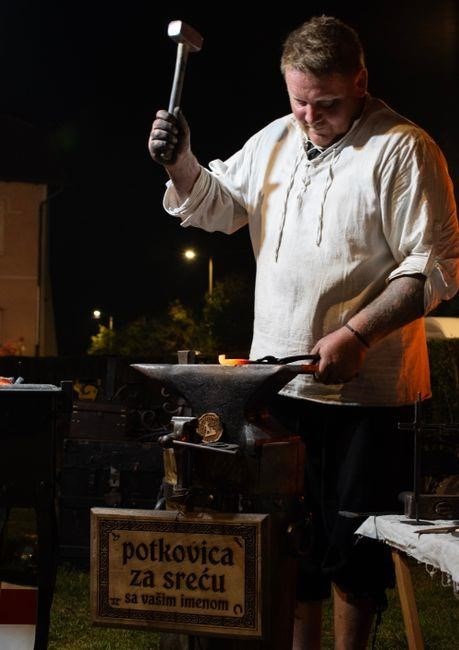
Skill Advancement and Outsourcing
Skill progression in Dragonflight hinges on daily quests, weekly vendors, and spark exchanges․ Outsourcing high‑tier items to seasoned smiths saves gold and time, especially when your skill cap limits upgrade chances․ Balance crafting and buying for optimal growth․ Alts boost spark yield daily
Using Alternate Characters for Sparks and Inspiration
In Dragonflight, sparks are the currency that fuels blacksmithing skill gains․ Each character’s daily spark pool is limited, but by creating multiple alt accounts you can aggregate sparks across them․ Log into each alt, complete the daily quest that grants sparks, then transfer the sparks to your main character using the shared inventory or the “Transfer Sparks” interface․ This method effectively multiplies your spark output, allowing you to reach higher skill thresholds faster than a single character could․
Inspiration increases the probability of successful upgrades when using Primal Infusions․ While inspiration can be earned through gear, consumables, and certain quests, it can also be boosted indirectly by using alts that already have high‑inspiration gear․ When an alt crafts a piece with a high inspiration stat, you can either equip that gear on your main character or benefit from shared reputation bonuses that apply to all characters on the same account․ This synergy means that a well‑equipped alt can raise your main character’s inspiration without additional gold․
To maximize efficiency, schedule your alt’s daily spark quests during the same window as your main character’s crafting sessions․ Apply the newly acquired sparks immediately to your blacksmithing skill, keeping momentum․ Keep track of the spark cap per character; once you hit the cap, any further sparks are wasted unless transferred․ By rotating alts and ensuring each one is actively earning sparks, you maintain a steady stream of skill points․
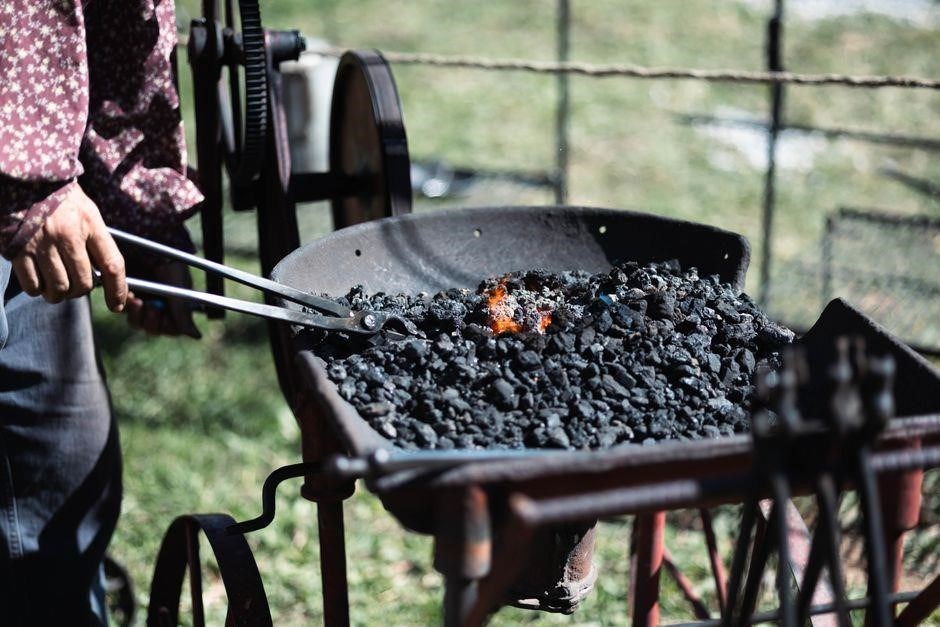
Remember that inspiration is not static; it fluctuates based on gear changes, consumables, and even the time of day․ Leveraging alts that specialize in high‑inspiration gear creates a consistent boost that carries over to your main character’s upgrade attempts, reducing the number of required attempts for Primal Infusions and saving both time and gold․
Coordinating spark transfers requires attention to the account’s daily spark limit, which resets every 24 hours․ Some servers impose a cap on the total sparks that can be transferred per account, so plan your alt usage accordingly․ If you hit the limit, consider creating a new alt or temporarily using a different realm where spark caps are higher․ This flexibility ensures you never run out of sparks when you need them most․
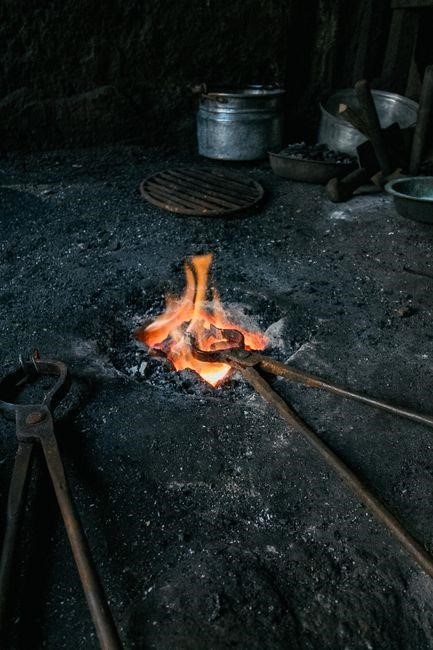
Managing Upgrade Chances and Randomness
In Dragonflight, upgrade success depends on base chance, skill, and inspiration․ Base chance starts at 20% for rank‑1 and climbs 5% per rank, capped at 40% for rank‑5․ Inspiration adds a flat bonus up to 10%, so a top‑tier smith can reach nearly 50% on high‑value items․ Each attempt consumes a full material set, so plan upgrades carefully․
Use the Upgrade Tracker to log attempts and calculate empirical success rates․ If you hit a streak of failures, swap to a different Primal Infusion or a higher‑rank infusion that offers a better base chance; Prioritize items that give the greatest utility per material cost, and keep an eye on the chance curve to avoid waste․
Batch upgrading mitigates randomness: craft several copies and run them consecutively to average out luck․ Leverage alternate characters with high inspiration or skill to boost the main character’s odds․ Transfer upgraded items back once the success rate is favorable․ Combining tracking, material management, and cross‑character synergy turns uncertainty into a predictable process․
Finally, remember that each upgrade attempt is an investment; track your gold usage, material waste, and success rates to refine your strategy․ By balancing skill, inspiration, and resource management, you can turn the randomness of blacksmithing into a reliable source of powerful gear for your Dragonflight adventures․ This boosts your crafting efficiency․