Confessions of an Economic Hitman: A Comprehensive Overview
John Perkins’ exposé, available as a PDF, details his decade as an ‘economic hitman,’ manipulating nations via debt for U․S․ gain, revealing a shocking system․
The book unveils deceptive financial practices and political maneuvering employed by a network of operatives, impacting global economies and sparking considerable debate․
Readers can access legitimate PDF versions, but caution is advised against unverified sources, ensuring a safe and informed exploration of this controversial topic․
The Core Concept of Economic Hitmen
John Perkins’ Confessions of an Economic Hitman introduces a disturbing reality: the existence of highly-paid professionals who strategically indebt developing nations to Western powers․ These “economic hitmen,” as Perkins terms them, don’t wield weapons; their tools are loans, financial forecasts, and political influence․ The core concept revolves around manipulating a country’s economic trajectory, ensuring its resources and political alignment benefit the interests of influential nations, primarily the United States․
The process, detailed within the PDF version of the book, begins with identifying a resource-rich nation․ Subsequently, EHMs work to secure large loans for infrastructure projects, knowing full well the country won’t be able to repay them․ This creates a debt trap, granting the lending nation significant control over the debtor’s policies and resources․ This isn’t about charity; it’s a calculated strategy for economic and geopolitical dominance, a system Perkins himself participated in and now exposes․
The PDF reveals how this system operates through a network of institutions and individuals, blurring the lines between government, corporations, and international finance․
John Perkins’ Background and Role
John Perkins, the author of Confessions of an Economic Hitman, initially worked for Peace Corps in Ecuador, sparking his journey into the world of international development․ He later transitioned to roles with consulting firms like Mainstream and Chas T․ Miller & Associates, becoming a key player in shaping economic strategies for developing nations․ The PDF version of his autobiography details how he was recruited to assess the economic potential of countries and then persuade them to accept substantial loans․

Perkins’ role wasn’t to offer genuine aid, but to ensure these nations became economically dependent on the U․S․ He admits to crafting inflated economic projections, knowing the debt would be unsustainable․ His confession, available in the PDF format, is a pivotal element of the book’s impact, offering a first-hand account of a controversial practice․
He describes a moral crisis, ultimately leading him to publicly reveal his past actions and expose the system he was once a part of, challenging the narrative of benevolent international aid․
The Methodology of Economic Manipulation
As detailed in the PDF of Confessions of an Economic Hitman, the methodology employed centered around inducing nations into massive debt․ John Perkins describes a three-step process: identifying a resource-rich country, inflating economic projections to justify large loans, and ensuring the funds were directed to U․S․ corporations․
This wasn’t about fostering development; it was about creating dependency․ The loans were often for grandiose, unsustainable projects, leaving countries burdened with debt they couldn’t repay․ The PDF reveals how political manipulation and corruption were integral to this process, silencing dissent and ensuring favorable outcomes for U․S․ interests․
Perkins outlines how ‘economic hitmen’ used their influence to secure contracts and control resources, effectively turning nations into economic colonies․ The book’s PDF format allows for a detailed examination of these tactics and their devastating consequences․
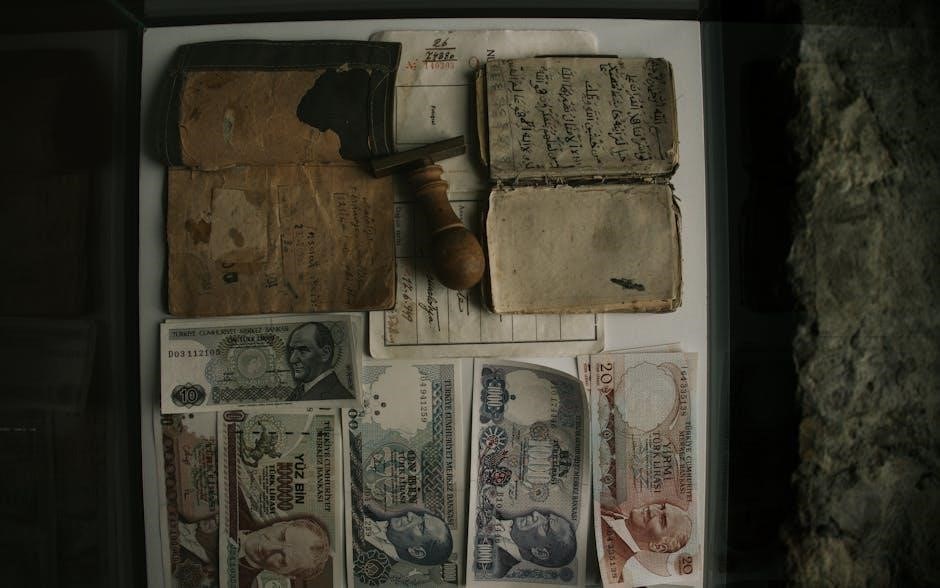
The Mechanics of Debt Traps
The PDF of Confessions exposes how nations are lured into unsustainable debt through inflated projections and manipulated loans, benefiting U․S․ corporations․
How Nations are Induced into Debt
John Perkins’ Confessions of an Economic Hitman, readily available as a PDF, meticulously details the methods used to ensnare developing nations in crippling debt․ The core strategy, as outlined in the book, revolves around inflating economic projections to justify massive loans from institutions like the World Bank and the IMF․
These loans aren’t intended for genuine development, but rather to fund grandiose projects that primarily benefit U․S․ corporations – construction companies, engineering firms, and arms manufacturers․ Perkins describes how he and his colleagues would deliberately overestimate a country’s future earnings, assuring lenders of repayment, while knowing full well the nation would struggle to meet its obligations․
This creates a cycle of dependency, forcing the indebted nation to sell off its natural resources and vital infrastructure to U․S․ interests at bargain prices․ The PDF version of the book provides specific examples of countries like Ecuador, Panama, and Indonesia, illustrating how this process unfolded, ultimately serving U․S․ geopolitical and economic objectives․
The Role of International Finance
John Perkins’ Confessions of an Economic Hitman, accessible as a PDF, exposes the pivotal – and often manipulative – role of international financial institutions․ The book details how organizations like the World Bank and the International Monetary Fund (IMF) are instrumental in the debt-trap process, acting as key facilitators for U․S․ economic and political agendas․
Perkins reveals that these institutions don’t operate with benevolent intentions, but rather as tools to advance the interests of powerful corporations and the U․S․ government․ Loans are strategically offered, not based on a nation’s genuine needs or ability to repay, but on their strategic importance and resource wealth․
The PDF version highlights how the IMF imposes harsh austerity measures – cuts to social programs, privatization of essential services – as conditions for loans, further weakening a nation’s economy and increasing its dependence․ This creates a system where debt becomes a weapon of control, shaping policies and exploiting resources․
Consequences of Unsustainable Debt
As detailed in John Perkins’ Confessions of an Economic Hitman – readily available as a PDF – the consequences of nations falling into unsustainable debt are devastating and far-reaching․ The book illustrates how crippling debt burdens lead to the erosion of sovereignty, forcing countries to prioritize debt repayment over the well-being of their citizens․
Perkins explains that this often results in the privatization of vital resources – water, oil, minerals – sold off to foreign corporations at drastically undervalued prices․ Social programs like healthcare and education are slashed, leading to widespread poverty and unrest․ Political instability follows, creating opportunities for intervention and regime change․
The PDF version emphasizes that this isn’t simply an economic issue; it’s a humanitarian crisis․ The cycle of debt perpetuates a system of neo-colonialism, where developing nations remain perpetually dependent and exploited, serving the interests of powerful global entities․

Geopolitical Implications
John Perkins’ PDF reveals how economic hitman tactics fuel U․S․ foreign policy, impacting developing nations and now facing competition from China’s evolving strategies․
Impact on Developing Nations

John Perkins’ Confessions of an Economic Hitman, readily available as a PDF, paints a stark picture of the devastating consequences faced by developing nations targeted by these manipulative practices․ The book details how carefully orchestrated debt traps, induced through deceptive financial arrangements, cripple a country’s sovereignty and economic independence․
These nations are often lured into large-scale infrastructure projects financed by loans from institutions like the World Bank and IMF, loans they are ultimately unable to repay․ This leads to resource exploitation, political instability, and a dependence on foreign powers․ Perkins’ account highlights how these strategies prioritize the interests of corporations and powerful nations over the well-being of the targeted populations․
The PDF version of the book serves as a crucial resource for understanding the historical and ongoing impact of these practices, exposing a system where economic manipulation is used as a tool of neo-colonialism, hindering genuine development and perpetuating cycles of poverty and dependence․ It reveals a pattern of corruption and exploitation with far-reaching geopolitical ramifications․
U․S․ Foreign Policy and EHMs
John Perkins’ Confessions of an Economic Hitman, accessible as a PDF, presents a critical examination of the role of “economic hitmen” (EHMs) within the framework of U․S․ foreign policy․ The book alleges that EHMs were strategically deployed to influence developing nations, ensuring their alignment with U․S․ political and economic interests․
Perkins details how these operatives worked to secure contracts for American corporations and maintain access to vital resources, often at the expense of the host country’s autonomy․ This involved manipulating loan agreements, fostering political corruption, and creating economic dependencies․ The PDF reveals a system where debt became a powerful tool for control․
The book suggests that this approach was a deliberate strategy, offering a less overt alternative to military intervention․ It raises serious questions about the ethical implications of U․S․ foreign policy and the extent to which economic pressure has been used to shape the global landscape, prompting debate about accountability and transparency․
China’s Emerging Economic Hitman Strategy
The updated editions of John Perkins’ Confessions of an Economic Hitman, available in PDF format, expand upon the original exposé to address a concerning shift in global economic manipulation – the rise of China’s own “economic hitman” strategy․
Perkins argues that China is increasingly employing similar tactics to those previously utilized by the U․S․, leveraging substantial loans and infrastructure projects to gain influence over developing nations․ This involves creating debt traps and securing access to critical resources, mirroring the methods detailed in the PDF․
The book highlights instances of Chinese investment linked to political concessions and strategic control, raising concerns about a new form of neo-colonialism․ This analysis suggests a continuation of the “Death Economy,” now driven by a different global power, demanding scrutiny and potential solutions․

The Book’s Reception and Criticism
John Perkins’ Confessions, widely available as a PDF, initially sparked debate, facing criticism regarding factual accuracy, yet maintaining lasting influence and readership․
Initial Response to “Confessions․․․”
Upon its 2004 release, John Perkins’ Confessions of an Economic Hit Man, readily accessible as a PDF, generated a significant and often polarized initial response․ The book quickly became a New York Times bestseller, capturing public attention with its explosive claims of deliberate economic manipulation by the United States․ Many readers were captivated by Perkins’ firsthand account, finding it a compelling explanation for geopolitical events and the struggles of developing nations․
However, the book wasn’t without its detractors․ Critics questioned the veracity of Perkins’ claims, suggesting exaggeration or embellishment of his role and the extent of the alleged conspiracy․ Despite the controversy, the initial reception was overwhelmingly one of intrigue and a desire to understand the shadowy world of international finance that Perkins described․ The availability of the book in PDF format likely contributed to its rapid dissemination and widespread discussion, fueling both support and skepticism․
Early reviews often focused on the book’s narrative power and its ability to connect seemingly disparate events, while simultaneously acknowledging the difficulty in independently verifying Perkins’ assertions․ The timing of the release, shortly after the September 11th attacks, also played a role, as it tapped into a growing sense of distrust towards U․S․ foreign policy․
Common Criticisms and Counterarguments

Despite the impact of Confessions of an Economic Hit Man – widely circulated as a PDF – the book faced substantial criticism․ A primary argument centers on the lack of concrete, independently verifiable evidence to support Perkins’ sweeping allegations․ Skeptics contend his narrative relies heavily on anecdotal evidence and lacks the rigorous documentation expected of investigative journalism․
Furthermore, critics point to Perkins’ own admission of embellishment and the subjective nature of his recollections․ Some argue that he overstates his personal influence and the coordinated nature of the alleged “economic hitman” strategy․ Counterarguments from supporters emphasize the plausibility of Perkins’ claims given the historical context of U․S․ foreign policy and the documented influence of international finance․
They suggest that the absence of official documentation is precisely what one would expect from a clandestine operation․ The PDF version’s accessibility has also fueled debate, with some dismissing it as easily spread misinformation, while others see it as empowering independent research and critical thinking․
The Book’s Lasting Influence
Confessions of an Economic Hit Man, readily available as a PDF, has profoundly impacted public discourse surrounding globalization, international debt, and U․S․ foreign policy․ The book ignited widespread skepticism towards traditional narratives of development and aid, fostering a more critical perspective on the role of international financial institutions․
Its accessibility – particularly through the PDF format – contributed to its viral spread, reaching audiences beyond conventional readership․ The concept of “economic hitmen” entered the lexicon, becoming a shorthand for perceived exploitative practices․ The book spurred numerous documentaries, interviews, and further investigations into related themes․
While debated, Perkins’ work continues to fuel anti-globalization movements and inspire calls for greater transparency in international finance․ The enduring relevance of the PDF version demonstrates a sustained public interest in understanding the complex dynamics of power and debt on a global scale, prompting ongoing discussion and analysis․

Accessing the Book: PDF Availability
Confessions of an Economic Hitman’s PDF version is widely sought, offering convenient access to John Perkins’ exposé, but exercise caution with sources!
Legitimate Sources for PDF Downloads
Finding a trustworthy PDF of “Confessions of an Economic Hitman” requires careful navigation․ While free access is tempting, prioritizing legitimate sources safeguards against malware and supports the author․ Several avenues offer legal downloads or access․
Firstly, check major ebook retailers like Amazon Kindle, Google Play Books, and Apple Books; they frequently offer PDF formats for purchase․ Secondly, legitimate online libraries, such as those affiliated with universities or public library systems (often requiring a library card), may provide access․
Furthermore, the publisher’s website, Berrett-Koehler Publishers, is a reliable source, potentially offering sample chapters or the full book for purchase in PDF format․ Be wary of websites promising free downloads that appear unofficial or request personal information․ Always verify the URL and look for secure connection indicators (HTTPS) before downloading any file․ Supporting the author through official channels ensures continued impactful work․

Risks of Downloading from Unverified Sources
Downloading the “Confessions of an Economic Hitman” PDF from unverified websites carries significant risks․ These sites often harbor malware, viruses, and spyware, potentially compromising your device and personal data․ Such malicious software can lead to identity theft, financial loss, and system instability․
Furthermore, illegally obtained PDFs often violate copyright laws, supporting piracy and undermining the author’s livelihood․ Unofficial sources may also distribute altered versions of the book, containing inaccuracies or propaganda․ These compromised files can distort the original message and mislead readers․
Beware of websites requesting excessive personal information or prompting you to disable security features․ Always prioritize legitimate sources, even if they require a purchase, to ensure a safe and authentic reading experience․ Protecting your digital security and respecting intellectual property are crucial when accessing online content․
Alternative Formats and Editions

Beyond the PDF format, “Confessions of an Economic Hitman” by John Perkins is widely available in various editions․ Readers can find physical copies in hardcover, paperback, and updated editions, offering different cover designs and potentially revised content․ Audiobook versions provide a convenient listening experience, narrated to bring Perkins’ story to life;
Digital editions are accessible through major ebook retailers like Amazon Kindle, Apple Books, and Google Play Books, compatible with various devices․ These platforms often offer features like adjustable font sizes and built-in dictionaries․ The book has seen multiple printings and revisions since its initial release in 2004․
Exploring these alternatives ensures accessibility and caters to individual preferences․ Choosing a legitimate source guarantees the authenticity and quality of the content, supporting the author and promoting responsible consumption․